
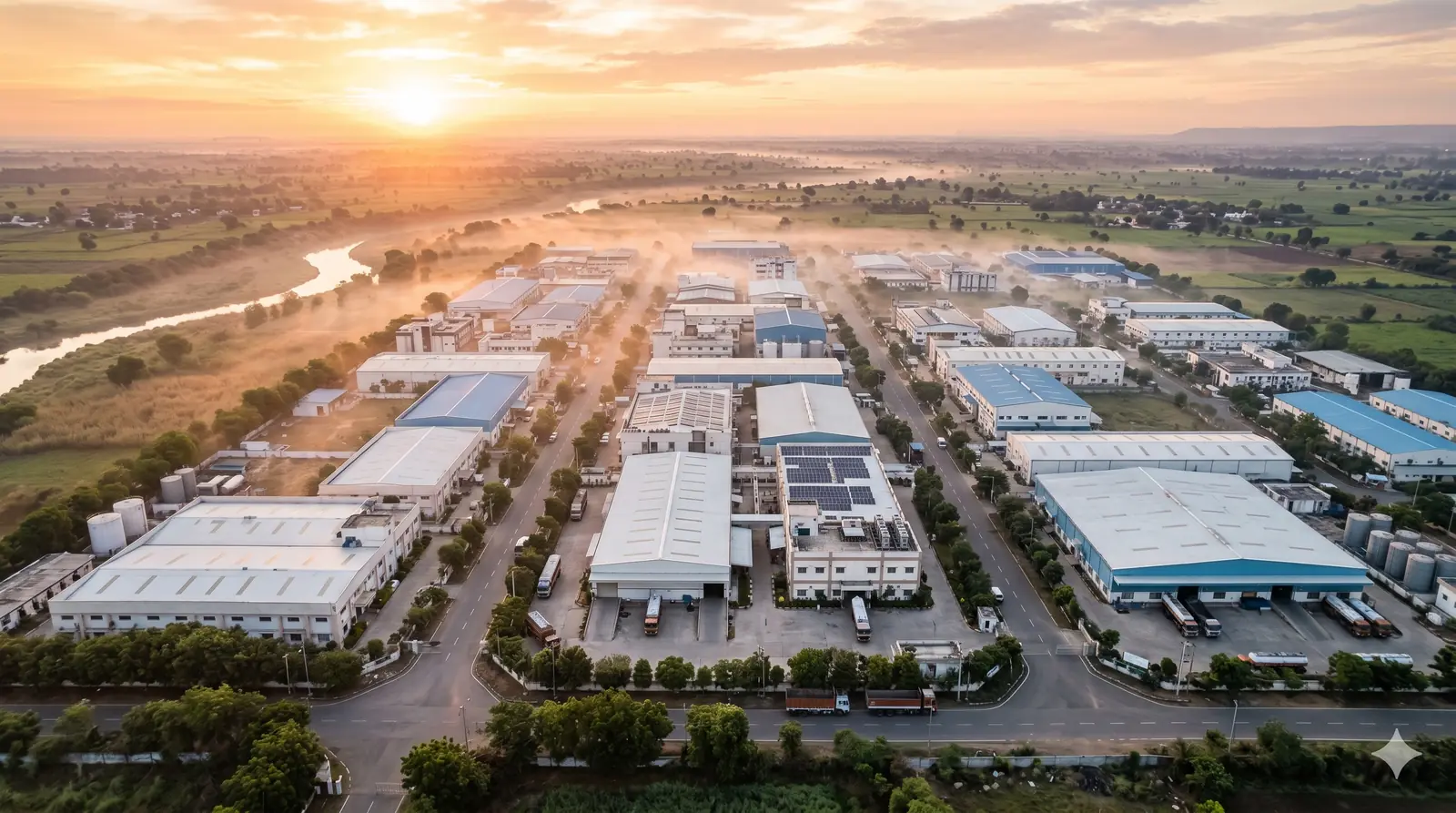
Changodar isn’t a flagship pharma cluster on its own. That sentence will sting some local boosters, but it’s the honest framing a brand owner needs before signing anything. Think of Changodar as a satellite of the bigger Ahmedabad-Sanand-Moraiya pharmaceutical corridor, and the whole reason to pick a Changodar third party manufacturer sits inside that satellite position. What works in your favour here? The integrated chemical and intermediate supply chain. The spillover regulatory talent. And the proximity to the bigger Ahmedabad pharma originators (Zydus Lifesciences at Moraiya, Cadila Pharmaceuticals, Torrent Pharmaceuticals at Bhat, Intas Pharmaceuticals across Ahmedabad and Matoda, Sun Pharma at Halol). The smaller and mid-tier Changodar plants usually run as overflow capacity, or as licensed contract manufacturers for those bigger players sitting next door.
This piece maps the Changodar GIDC pharma cluster. It places the cluster honestly inside the wider Ahmedabad belt. It also hands you the regulatory references you’ll want before verifying any Changodar manufacturer. Primary sources sit at the Food and Drugs Control Administration (FDCA) of Gujarat and at the Gujarat Industrial Development Corporation (GIDC). The CDSCO West Zone Mumbai is the third anchor. Sakar Healthcare Limited (Block No. 10-13 Changodar) shows up here as the publicly listed Changodar pharma reference.
What you need from a Changodar manufacturer
Quick terminology that tends to get muddled.
Third party manufacturing is the arrangement where you own the brand. You supply your own formula, or you pick from the manufacturer’s existing molecule list. They produce the medicine and print your brand on the strip. You take delivery and sell anywhere, no territory restriction.
Contract manufacturing is third party at a larger B2B scale, typically Rs. 50 lakh and above per order. Most of the Changodar small and mid-tier plants run contract manufacturing for the bigger Ahmedabad originators, sometimes as the primary line.
Loan licence manufacturing is a Gujarat speciality. Here a brand owner with a valid sales licence but no manufacturing infrastructure contracts a licensed manufacturer to make the product. The brand owner becomes the legal manufacturer of record. The actual plant is the loan-licence holder. The Gujarat FDCA loan licence framework gets used widely by smaller Ahmedabad-area brand owners.
PCD pharma franchise is the opposite of third party. You take an existing brand from a PCD company, get territory monopoly, and distribute their brand. PCD activity in the Gujarat belt is more concentrated in Ahmedabad city, Vadodara and Rajkot than in Changodar specifically.
Why Changodar is structurally a satellite, not a primary cluster
Three observable facts.
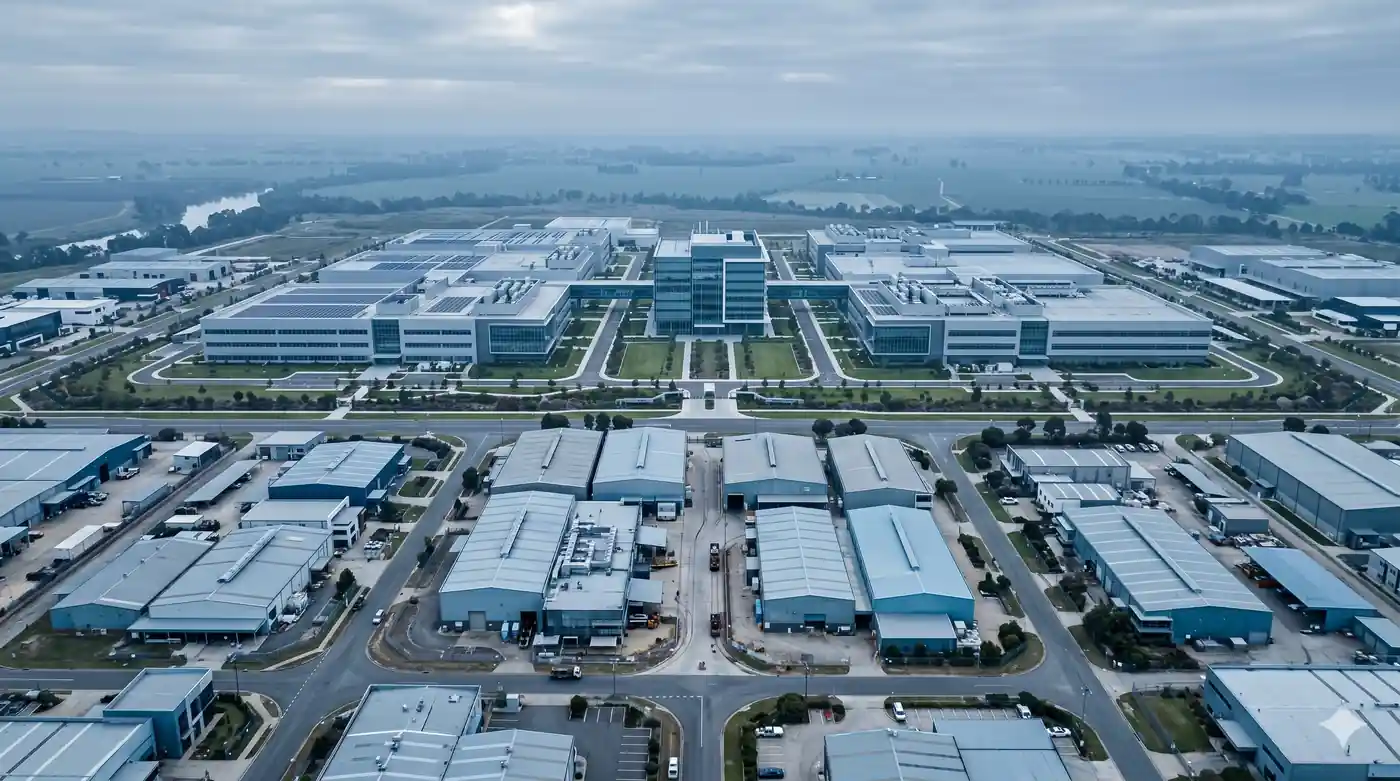
First, the originator and the satellite live next door to each other. Zydus Lifesciences runs its flagship manufacturing campus at Moraiya, about 8 kilometres from Changodar. Cadila Pharmaceuticals operates in the Sarkhej-Bavla industrial corridor. Torrent Pharmaceuticals keeps its Bhat plant near the airport. Intas Pharmaceuticals runs across multiple Gujarat locations including Matoda. Sun Pharma operates from Halol (Panchmahal district, about 100 kilometres east). These are the names that dominate the Gujarat pharma export numbers. The Changodar GIDC mid-tier plants feed this network with intermediates, packaging materials, and sometimes finished formulations as overflow capacity. The economic relationship isn’t symmetric.
Second, the FDCA Gujarat numbers tell the cluster story. The Gujarat FDCA approved 133 new drug manufacturing units in FY24, and issued 2,267 new manufacturing licences during 2020-23. Gujarat hosts roughly 4,000 pharma units in total. Around 1,077 of those are WHO-GMP certified. The Changodar pharma share within all this is on the order of 30 to 50 active units, depending on how broadly you draw the cluster boundary. Sanand Industrial Estate, which Changodar sits inside the wider footprint of, spans 2,056 hectares per the GIDC Sanand Industrial Estate brief. It hosts a mixed industrial profile dominated by automobiles (Tata Nano legacy, MG Motor, Ford ex-plant), engineering, plastics and electronics, with pharma as a meaningful but not dominant segment.
Third, the supply chain integration is the durable advantage. Gujarat is India’s chemical and pharma intermediate capital. Vapi, Ankleshwar, Dahej, Vadodara and Ahmedabad together house the bulk supplier base for active pharmaceutical ingredients, excipients, packaging materials, and contract testing laboratories that feed Indian pharma manufacturing. A Changodar plant can source intermediates and packaging from within a 200 kilometre radius. A Baddi plant can’t. This input-cost advantage is real and meaningful, but it accrues to the Changodar manufacturer first, and only secondarily to the outside brand owner sourcing from them.
If you’re a brand owner choosing between Changodar and a Baddi or Sonipat unit, here’s the honest decision criterion. Do you want a satellite plant that benefits from Gujarat input cost integration (Changodar)? Or do you want a flagship cluster plant with broader manufacturer selection and tax-incentive cost history (Baddi)? Both are defensible. Don’t believe vendor websites that present Changodar as a peer of Baddi. It isn’t.
The Changodar manufacturers, by category
Publicly listed Changodar pharma reference
Sakar Healthcare Limited. Plant at Block No. 10-13, Village Changodar, Sarkhej-Bavla Highway, Taluka Sanand, District Ahmedabad, Gujarat 382213. Incorporated 26 March 2004. The largest publicly listed pharma name with primary operations in Changodar proper. FY 2025 revenue Rs. 179 crore per company filings, with 14 percent compounded annual growth in the last year. The product line covers liquid orals, cephalosporin tablets and capsules, dry powder syrup, dry powder injections, liquid injectables (small volume parenterals) in ampoules and vials, and lyophilised injections. The company also operates as a contract manufacturer for multinational pharmaceutical companies. The Sakar Healthcare corporate site carries product, regulatory and contract manufacturing details. It’s BSE-listed and follows public disclosure requirements, which makes it the most documented Changodar plant for outside brand owners to reference. Sakar’s MOQ tends to run on the higher side (10,000+ units per SKU for tablets), so smaller brand owners may need to look further down the cluster.
Mid-tier and smaller Changodar pharma units
Zenith Healthcare Limited. Plot 388/34, Changodar Industrial Estate, Changodar 382210, Ahmedabad. An active third party pharma manufacturer carrying WHO-GMP and DCGI manufacturing licence. Coverage runs across tablets, capsules, syrups, ointments in general therapy segments. Pricing tends to come out competitive within the cluster.
Gujarat Pharmalab Private Limited. Block No. 447, near Bajaj Food, Changodar, Ahmedabad. A mid-size pharma manufacturer with general range coverage including antibiotics, anti-allergic, NSAIDs, gastro and paediatric segments. Standard 5,000 to 10,000 unit MOQ. First-order lead time runs 30 to 45 days, repeat 25 to 35 days.
Atra Pharmaceuticals, Mefro Pharmaceuticals, Mediagent India, and various other GIDC Block-allotted units. These are smaller third party manufacturers. Typically 10,000 to 30,000 sq ft plants. Mostly running general allopathic ranges with selective specialty capability. Cross-reference them on the Gujarat FDCA internal portal at fdcadata.in and the CDSCO WHO-GMP Certificate of Pharmaceutical Products list before you approach them.
The wider Ahmedabad belt that Changodar feeds into
For context (not for direct third party engagement), these are the bigger Ahmedabad-area originator plants that influence the Changodar satellite economy:
- Zydus Lifesciences (formerly Cadila Healthcare). Founded 1952 in Ahmedabad. Flagship manufacturing campus at Moraiya. Corporate office at Zydus Tower, Satellite Cross Roads, Ahmedabad. Doesn’t take retail third party orders. Zydus corporate site.
- Cadila Pharmaceuticals Limited. Separate from Zydus despite the shared historical name. Ahmedabad-headquartered. Cadila corporate site.
- Torrent Pharmaceuticals. Founded 1959. Main Gujarat plant at Bhat near Ahmedabad airport. Doesn’t take retail third party orders. Torrent corporate site.
- Intas Pharmaceuticals. Founded 1984. Privately held. Multiple Gujarat plants. Specialty injectables and biosimilars focus. Intas corporate site.
- Sun Pharmaceutical Industries. India’s largest pharma company by revenue and market cap (Rs. 4.15 trillion market cap January 2026). Halol plant near Vadodara, plus multiple other Gujarat operations.
These names matter to the Changodar story only as the demand anchors that absorb satellite manufacturing capacity. They don’t take outside third party retail brand orders.
What makes the Gujarat cluster different from Baddi or Hyderabad

Five structural factors brand owners should understand.
First, the integrated chemical and intermediate supply chain. Gujarat is India’s chemical capital. The supplier network spanning Vapi, Ankleshwar, Dahej, Vadodara, and the Ahmedabad GIDC complex means raw materials, APIs, excipients, packaging materials and contract testing labs are concentrated within 200 kilometres. This usually translates to slightly lower input costs for Gujarat manufacturers, and that in turn translates to marginally better per-unit pricing for outside brand owners.
Second, larger plant sizes on average. Compared to the Baddi belt, where a lot of units operate from 10,000 to 25,000 sq ft, Changodar and the wider Ahmedabad cluster plants are often 30,000 to 80,000 sq ft with higher production capacity. Better for higher volume orders. Less suitable for small brand owners who want a relationship-style smaller plant.
Third, regulatory talent depth. Proximity to Zydus, Cadila, Torrent, Intas means there’s deep pharmaceutical regulatory affairs, quality control and quality assurance talent floating around the Ahmedabad job market. Changodar plants can hire experienced staff without much trouble. This typically translates to smoother USFDA, EU GMP and WHO-GMP audit cycles than the Baddi mid-tier average.
Fourth, the geographic distance penalty for north India distribution. For a Delhi-NCR or Punjab-based brand owner, Changodar logistics cost more and take longer than a Baddi or Sonipat manufacturer. Approximately 1,000 kilometres of road distance to Delhi. Transit 4 to 7 days to north India. Worth weighing if your primary distribution is north India focused.
Fifth, the FDCA Gujarat regulatory rhythm. The Gujarat FDCA approved layout designs of 240 drug manufacturing units post-GST, and has historically been one of the more responsive state drug controllers for new manufacturing licence approvals. Changodar plants benefit from this regulatory throughput. The FDCA headquarters sits at Block No. 8, First Floor, Dr. Jivraj Mehta Bhavan, Gandhinagar 382010.
What to verify before signing a Changodar manufacturer

A practical checklist from working with brand owners across the Gujarat pharma corridor.
Verify the FDCA Gujarat manufacturing licence. The Food and Drugs Control Administration of Gujarat is the issuing authority. Cross-reference the manufacturer’s claimed licence number against the FDCA internal data portal at fdcadata.in, or request a current copy of Form 25 (allopathic), Form 28 (restricted), or Form 25-B/28-B (loan licence) directly from the manufacturer. Verification is procedurally easy and protects you from advance-fraud.
Verify the WHO-GMP certificate. For export-track manufacturing, ask for a copy of the WHO-GMP Certificate of Pharmaceutical Products (CoPP). Cross-check it against the CDSCO WHO-GMP CoPP list PDF. Gujarat has roughly 1,077 WHO-GMP certified units, the highest in India.
Verify Revised Schedule M compliance. Effective 1 January 2026, every Indian pharmaceutical manufacturer must be Schedule M compliant per the CDSCO 10 November 2025 directive after the Coldrif cough syrup deaths. Revised Schedule M specifies Validation Master Plan, vendor qualification, stability testing per ICH Q1A, pharmacovigilance, Quality Management System with deviation, change control and CAPA, plus ALCOA+ data integrity. Reference: CDSCO Schedule M guidelines PDF. Ask the manufacturer for their Gap Assessment report and compliance evidence.
Visit the plant. Drive or fly to Ahmedabad, then drive 25 kilometres to Changodar on the Sarkhej-Bavla Highway. About 30 to 45 minutes from Ahmedabad airport. Walk in, see the place. A serious manufacturer will host a plant tour without hedging.
Get an NDA on your formula. If you’re supplying a proprietary formula rather than picking from the manufacturer’s existing molecule list, get a non-disclosure agreement signed before sharing the full formula. Gujarat plants carry meaningful technical depth, so the risk of formula leak is real, not theoretical.
Ask for a 50 to 100 strip first-batch verification sample. Before the full order ships, request the first batch’s verification sample. Send 2 to 3 strips to an NABL-accredited third party testing laboratory for active content, dissolution, and impurity profile testing.
File your trademark before placing the order. Get the brand name trademark application filed with the Trade Marks Registry before any packaging plates are made. You don’t want to discover the brand is taken after Rs. 1 lakh of packaging investment.
Start small. Don’t place a 100-SKU first order. Begin with 5 to 10 SKUs of fast-moving products. Learn the manufacturer’s responsiveness, quality and delivery before scaling.
Lock pricing transparency. Demand a per-unit price breakdown covering API cost, excipients, packaging, manufacturing overhead, taxes, and manufacturer margin. Avoid all-inclusive opaque quotes.
Logistics planning. If your distribution is north or east India focused, factor in 4 to 7 days of transit from Changodar to Delhi or Kolkata, against 1 to 2 days from a Baddi or Sonipat plant. This can swing the total landed cost in favour of a closer manufacturer, despite Gujarat’s lower input cost advantage.
Lead time commitment in writing. Standard third party lead time runs 30 to 45 days for first order, 25 to 35 days for repeat. Get this in the purchase order or supply agreement.
Documents you need before approaching any manufacturer

- Drug licence Form 20B (retail) and 21B (wholesale) issued by your state Drug Controller, or wholesale-only if you’re stocking and supplying.
- GST registration certificate.
- Aadhaar and PAN of the proprietor or authorised signatory.
- Cancelled cheque of your firm’s current account.
- Firm letterhead with trade name.
- Brand trademark application acknowledgement or registration certificate.
- Some manufacturers ask for the last 6 months bank statement for credit assessment.
A short word about Changodar GIDC
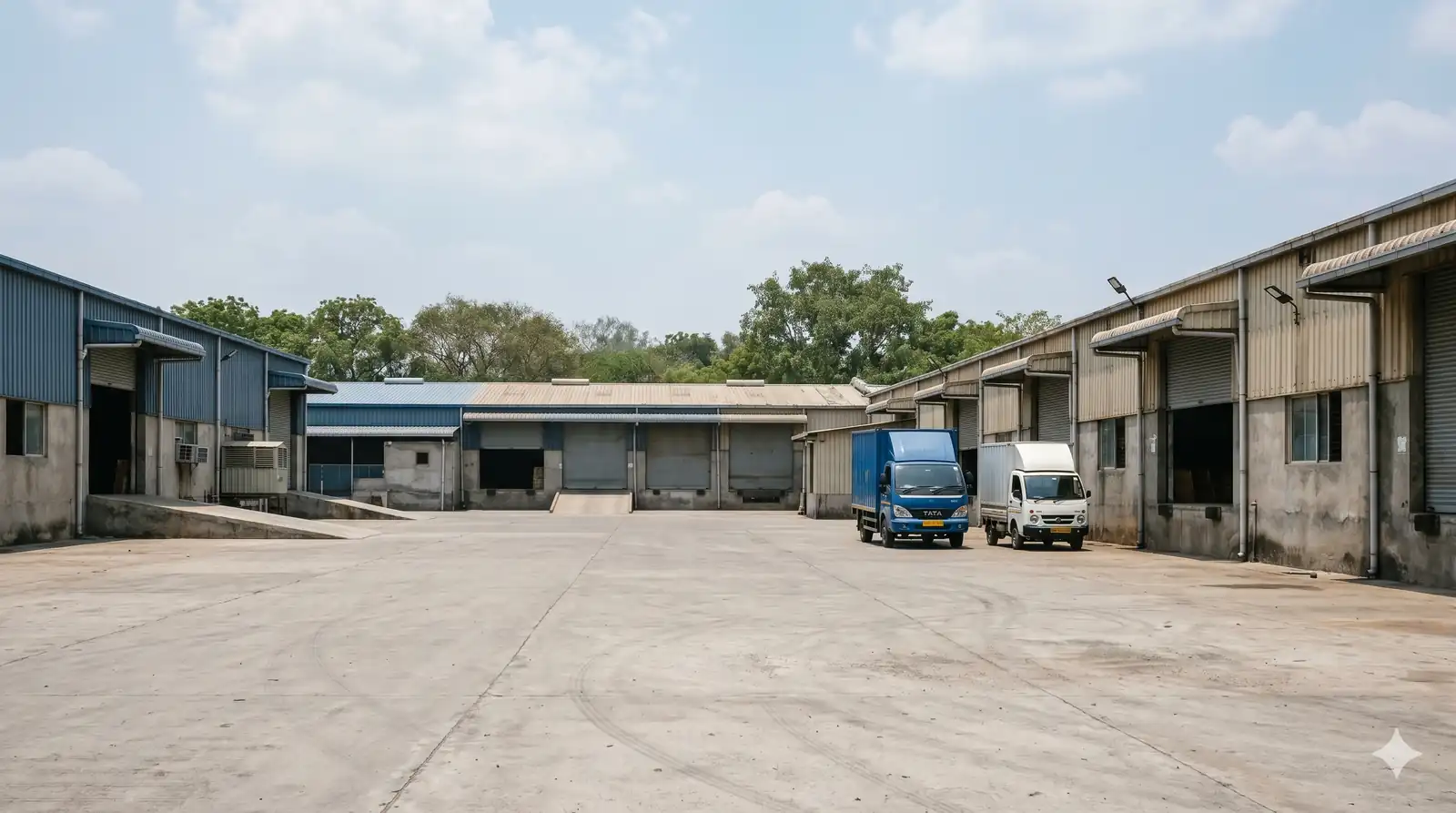
Changodar sits in Sanand taluka, Ahmedabad district, Gujarat. About 25 kilometres south-west of Ahmedabad city on the Sarkhej-Bavla Highway (SH-17). Pin codes 382210 and 382213 cover most of the industrial estate area. The Changodar GIDC hosts 200-plus active manufacturing units across pharma, chemicals, plastics, engineering and food processing. The wider Sanand Industrial Estate, which Changodar is part of, spans 2,056 hectares and is one of the larger GIDC industrial estates by area.
For pharma specifically, the Changodar cluster has roughly 30 to 50 active manufacturing units depending on the boundary definition. Smaller than the Baddi BBN belt (600+ units), but with stronger integration into the wider Gujarat pharma input supply chain. Operating costs in Changodar work out roughly comparable to Baddi proper. Slightly higher land costs, offset by lower transportation costs for a lot of input materials.
The cluster serves brand owners across west India, north India, and exports to Africa, Middle East, and South-East Asia through the Mundra port (about 350 kilometres west) and the Jawaharlal Nehru Port Trust in Mumbai (about 500 kilometres south). The Ministry of Commerce Pharmexcil council is the trade body for pharma exports, with significant Gujarat representation.
DPCO 2025 and pricing context for Gujarat manufacturers
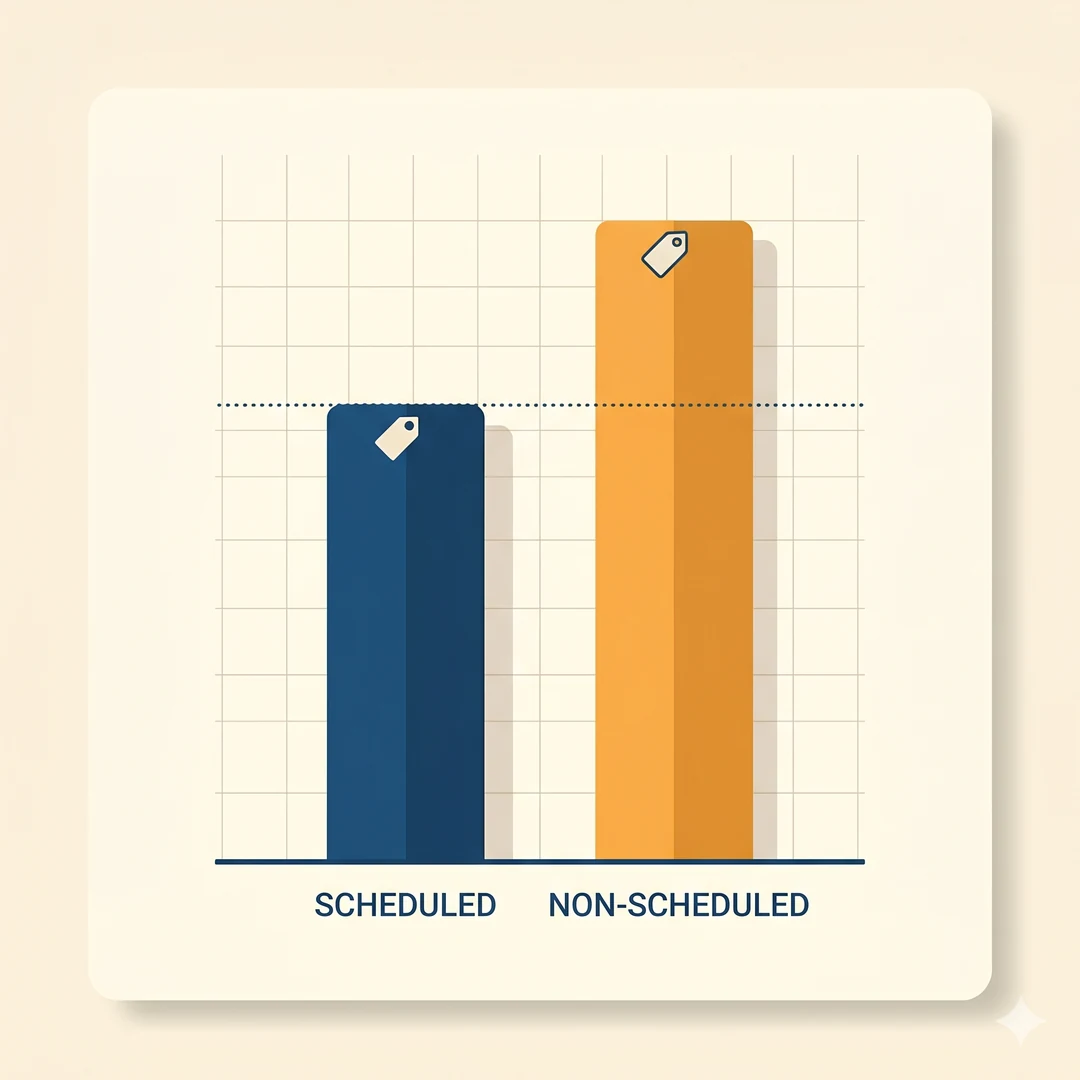
The National Pharmaceutical Pricing Authority DPCO 2025 controls ceiling prices on 743 scheduled formulations, with a 16 percent combined retail-distributor margin cap on scheduled molecules. This affects what PCD distributors and retail chemists can earn on cardiac, anti-diabetic, basic antibiotics and common chronic care SKUs, regardless of which Indian manufacturer sources them. Brand owners using Changodar third party manufacturing for non-DPCO specialty molecules (SGLT2 inhibitors, DPP-4 newer formulations, ARNI, cosmeto-pharma, premium nutraceuticals) keep better margin headroom than for scheduled molecules.
Common questions

What’s the minimum investment to start a brand via Changodar third party manufacturing? Realistically Rs. 3 to Rs. 6 lakh for a first order at 5 to 10 SKUs of 5,000 to 10,000 units each. Plus packaging plate charges (Rs. 2,000 to Rs. 5,000 per SKU, one-time), trademark registration, and your storage plus distribution setup. Total starter budget for a serious launch sits in the Rs. 7 to Rs. 12 lakh range.
Are Changodar manufacturers cheaper than Baddi? Roughly similar on per-unit pricing for general range. Sometimes 5 to 10 percent better on input-material-intensive products thanks to Gujarat supply chain proximity. The bigger cost factor is logistics. Factor in higher transport costs if you’re shipping to north or east India.
Do Changodar manufacturers ship pan-India? Yes. Standard transit: 1 to 2 days to Mumbai and west India, 2 to 4 days to Delhi NCR, 4 to 7 days to Kolkata and east India, 5 to 7 days to Chennai and south India.
Will the manufacturer take my own brand and formula? Most Changodar mid-tier third party plants will. The publicly listed and bigger players (Sakar Healthcare) are selective and prefer larger volume commitments. Smaller GIDC units are more flexible.
Do they take expiry stock back? Mostly no. Third party manufacturing in India is a one-way transaction. Plan first order size conservatively.
Is Changodar better than Baddi for a Gujarat or Mumbai based brand owner? For logistics and plant access, yes. For overall manufacturer choice and pricing competition, Baddi still has a wider menu. A few west India brand owners we work with use a hybrid setup. Changodar primary range, plus a Baddi backup for specialty molecules.
Is WHO-GMP enough or do you need more? WHO-GMP plus DCGI manufacturing licence plus ISO 9001 is the standard combination for domestic third party. For export, additional certifications (USFDA, MHRA, EU GMP, TGA) are needed. Gujarat plants disproportionately carry these already because of the export orientation of the wider cluster.
How do I verify a Changodar manufacturer before sending an advance? Four checks. Visit the plant. Verify the FDCA Gujarat manufacturing licence on the FDCA Gujarat portal or fdcadata.in. Call 2 to 3 existing third party clients (ask for references). Cross-check on Google reviews and Justdial. Do at least 2 of these before transferring any advance above Rs. 50,000.
Can I use Changodar for loan licence manufacturing? Yes. The Gujarat FDCA loan licence framework gets used widely. You hold the sales licence, the Changodar plant holds the loan manufacturing licence (Form 25-B or 28-B). The Gujarat IFP drug licence procedural PDF describes the procedural framework. Confirm specifically with the manufacturer before assuming loan licence capacity.
Sources and references
State regulatory
- Food and Drugs Control Administration (FDCA) Gujarat – HQ Block 8, First Floor, Dr. Jivraj Mehta Bhavan, Gandhinagar 382010
- FDCA Gujarat internal data portal
- FDCA login portal
- Gujarat Investor Facilitation Portal Drug Manufacturing Licence PDF
- FDCA AYUDMLA portal
FDCA Gujarat coverage
- DrugsControl – Gujarat FDCA approved 133 new drug manufacturing units in FY24
- Clival – Gujarat FDCA approves layout designs of 240 drug manufacturing units post-GST
- The Health Master – FDCA issued 2,267 new manufacturing licences 2020-23
Industrial estate
- Gujarat Industrial Development Corporation (GIDC)
- GIDC Sanand Industrial Estate brief PDF
- Brief Industrial Profile of Ahmedabad District PDF
Central regulatory
- Central Drugs Standard Control Organisation (CDSCO)
- CDSCO West Zone Mumbai
- CDSCO WHO-GMP Certificate of Pharmaceutical Products list PDF
- CDSCO Revised Schedule M guidelines PDF
- CDSCO Drugs and Cosmetics Rules
- BusinessToday – CDSCO comply by January 1 directive November 2025
Central pricing and policy
- National Pharmaceutical Pricing Authority (NPPA)
- Pharmaceuticals Export Promotion Council of India (Pharmexcil)
- Trade Marks Registry, Government of India
- NABL India – accredited testing laboratories
Company verified information
- Sakar Healthcare Limited corporate site
- Sakar Healthcare Q4 FY25 results publication PDF
- Zydus Lifesciences
- Cadila Pharmaceuticals
- Torrent Pharmaceuticals
- Intas Pharmaceuticals
- Sun Pharmaceutical Industries
Industry data
- IBEF Gujarat
- IBEF Pharmaceutical Industry in India
- Federation of Gujarat State Chemists and Druggists Associations
Some points on this guide
Plant level production data is not publicly disclosed for most mid-sized Indian pharma manufacturers, including most Changodar units. Unit counts and capacity figures in this article are approximate, based on FDCA Gujarat public information, GIDC records, and industry observation.
Founding years and product range data come from publicly available information and company filings. Verify directly with the manufacturer before signing a purchase order or supply agreement.
The boundary between Changodar GIDC and the wider Sarkhej-Bavla-Sanand-Moraiya-Matoda industrial belt is fluid. Some companies that show up under Changodar searches are actually at Sanand, Bavla, Moraiya or Matoda. This article has covered companies with primary plant address in Changodar GIDC proper. Bigger originator names (Zydus, Cadila, Torrent, Intas, Sun) are mentioned only for cluster context, because they don’t take outside third party retail brand orders.
Regulatory references (Revised Schedule M, DPCO 2025, FDCA Gujarat licensing) are current as of early 2026 based on the latest available central and state regulatory notifications.
If you’ve personally worked with a Changodar third party manufacturer that we’ve missed, or one that warrants additional detail, get in touch. We update this article every 2 to 3 months based on what brand owners on the ground are actually using.
You might also like
Top Pharmaceutical Manufacturers in Sonipat 2026: The Kundli Belt and North India’s Logistics Hub
A 2026 buyer's guide to the Sonipat pharma cluster — HSIIDC Kundli, Barhi and Rai — covering the…
Read article →
Top Pharmaceutical Manufacturers in Zirakpur 2026: The Manufacturer-Focused Guide
Only the real Zirakpur plants with their own Form 25 or Form 28 manufacturing licence. The manufacturer-focused guide,…
Read article →
Top 50 Pharmaceutical Companies in India 2026: Verified Revenue, Market Cap, and Third Party Access
Most "Top 50 Pharma Companies in India" lists are copies of copies. Here every name is checked against…
Read article →