
Suresh is 47, runs a branch for a Delhi bank, and has been “borderline” for three years. Last year, 138/88. This year, 142/92 at the company health check. His doctor said, let’s see what it looks like in three months — if it’s still up, we start a tablet. Suresh would rather not start the tablet. Not because tablets are bad. He’s seen them work for his father (amlodipine at 50) and his uncle (telmisartan at 52). It’s that he suspects his lifestyle still has space to fix this first, and he’d rather not slip into the monthly-prescription trail at 47 if there’s a real alternative.
He came online looking for the “tricks.” I’m not going to lie to him, or to you. There’s no genuine way to make real blood pressure look 20 points lower in three days without drugging yourself or cheating the reading. But there’s a long list of changes that genuinely move the number, by 5, 8, sometimes 15 mmHg, over a fortnight. And a short list of techniques that do lower it in the moments before the cuff goes on. Both are real. Both worth knowing. Let’s separate them properly.
First — is this even real hypertension?
Before doing anything, find out which camp you’re in. Maybe 15 to 20 percent of people who get a high reading in the doctor’s office have white coat hypertension. Their home BP is completely normal; the clinical setting spikes it.
A 2018 HCPLive-reported study found that device-guided paced breathing attenuated about 80 percent of the white-coat effect, which tells you how artificially clinic numbers can be inflated. If that’s the situation, going onto a lifelong tablet based on three clinic readings would be the wrong call.
Two things tell you which camp you’re in.
First, buy or borrow a digital upper-arm BP monitor. Omron, BPL, Dr. Morepen all make accurate units in the ₹1500 to ₹3500 range. Skip the wrist ones; they’re unreliable. Take three readings each morning and three each evening for seven consecutive days, sitting calmly for five minutes first. If your home average is under 135/85 but the clinic reads 145+/95+, that’s white coat. Bring the log to your appointment. Indian cardiologists increasingly accept this data, and current European Society of Cardiology and Hypertension (ESC-ESH) guidelines explicitly support home monitoring as the basis for diagnosis.
Second, ambulatory blood pressure monitoring (ABPM). A 24-hour cuff your doctor can order. The gold standard for diagnosis. Available in major Indian metros for ₹2500 to ₹5000. ABPM also picks up the non-dipper pattern (BP that fails to drop by at least 10 percent overnight), which is tied to a sharply higher cardiovascular risk and deserves earlier treatment regardless of clinic numbers. Indian populations have higher non-dipper rates than European ones, possibly because of higher sodium intake and obstructive sleep apnoea (OSA) prevalence.
If your home and clinic readings agree and both sit at 140/90 or higher, this is real hypertension and the rest of this article applies twice as much.
The Indian hypertension backdrop
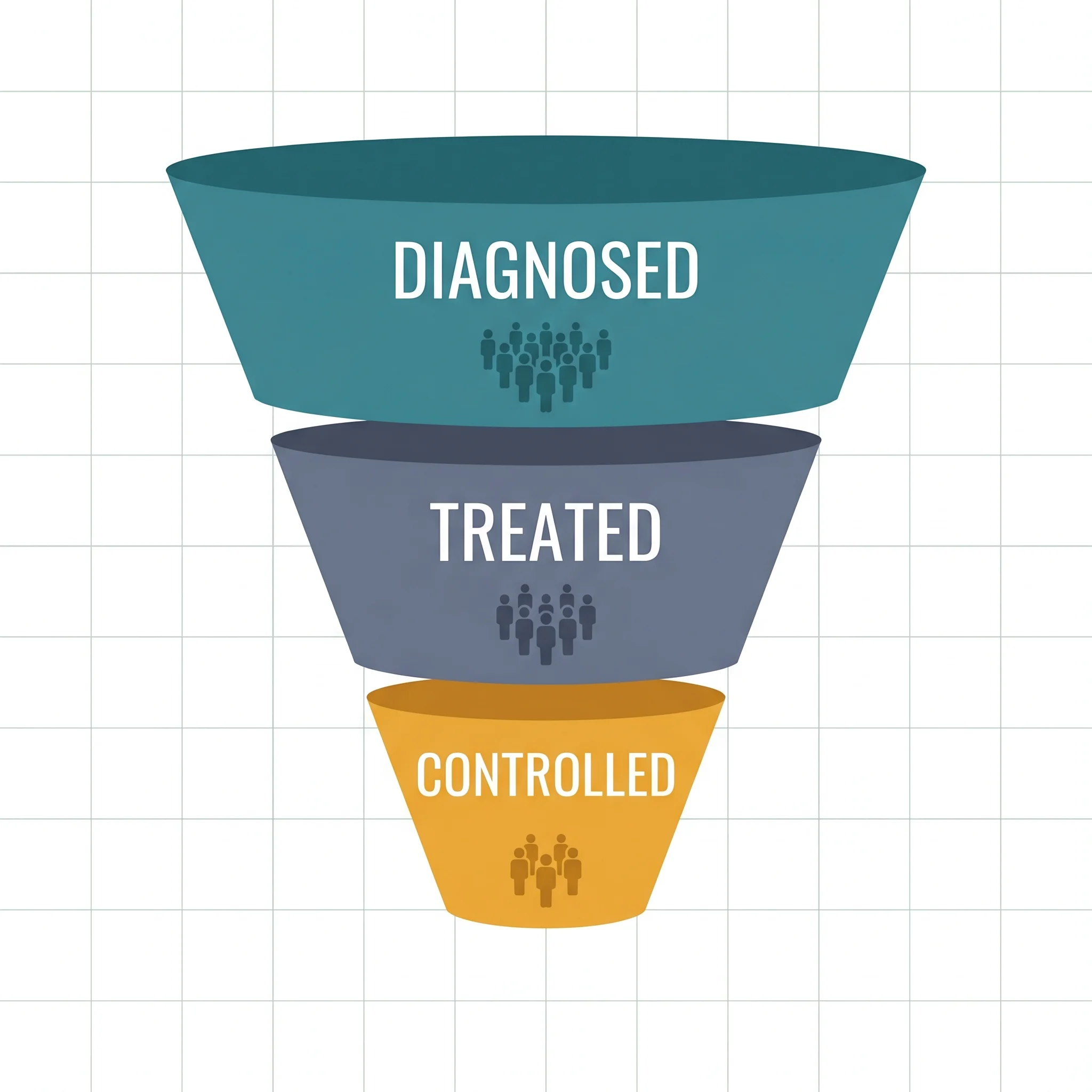
A 2024 review in Hypertension Research (Bhansali et al., article s41440-024-01585-y) pulled together recent Indian epidemiology. Prevalence in adults aged 15 and above is 21.3 percent in women and 24 percent in men per NFHS-5 data. Among hypertensive Indians aged 45 and older, only 55.7 percent had been diagnosed, 38.9 percent were taking antihypertensive medication, and just 31.7 percent had achieved BP control. The treatment cascade leaks at every single step.
ICMR-INDIAB surveys show real geographic variation, with more developed states and urban districts running higher prevalence. The pooled rate of medication adherence to antihypertensives in India is 15.8 percent — meaning the vast majority of people who think they’re “on treatment” aren’t actually controlled. That’s the backdrop. The condition is more common than most Indians realise, and a sizeable chunk of the people on tablets are not getting what the prescription was supposed to deliver.
The Indian salt blind spot — the single highest-leverage change
You know how most Indians who try to “eat less salt” remove the salt shaker from the table and call it done? That approach has a uniquely Indian problem. Unlike Western diets where 75 percent of sodium comes from processed and packaged food, the National NCD Monitoring Survey (PMC10517942) found that in India, more than 80 percent of dietary sodium is discretionary — salt added during cooking or at the table.
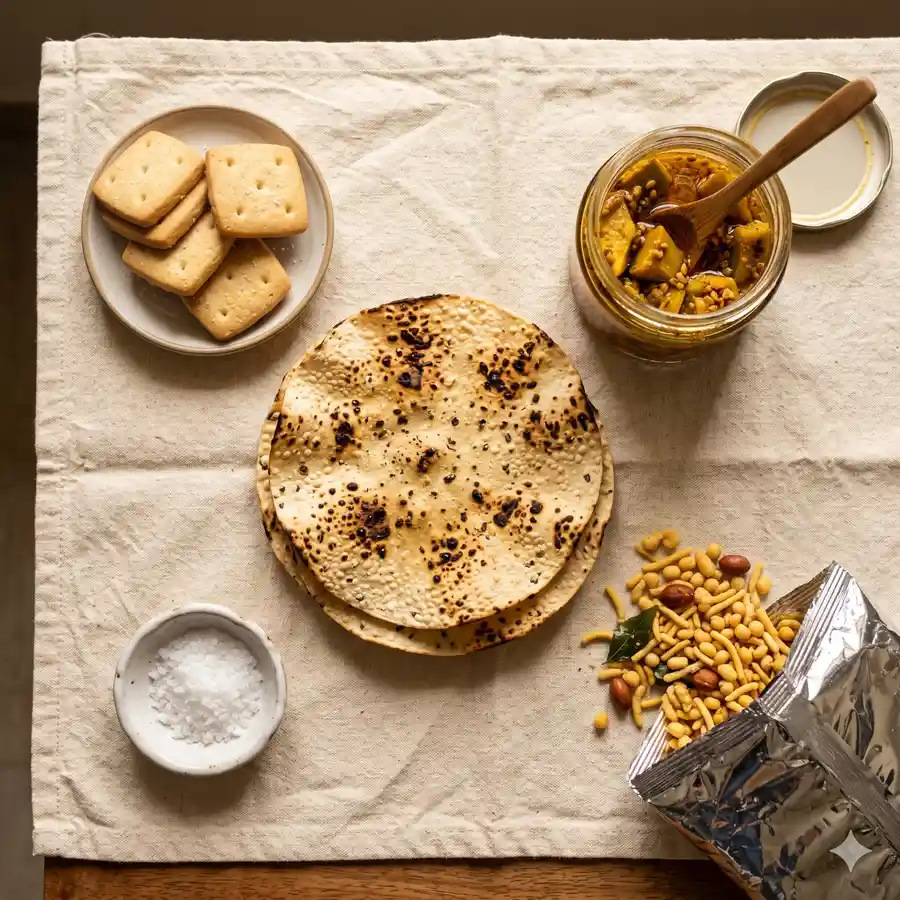
The shaker really is the biggest single source. But it sits next to a long list of hidden salt-bombs nobody is counting.
Run through this list and you’ll see why most “low salt” efforts aren’t moving the needle.
A single tablespoon of mango achaar contains around 300 mg of sodium. Two roasted papads at a thali add about 400 mg more. A 100-gram bag of commercial namkeen carries 600 to 1,200 mg. One packet of instant noodles, eaten as a snack, hits 1,400 to 1,800 mg in a single sitting. Two slices of brown bread from most Indian brands contribute 400 mg. Tomato ketchup, sauces, ready-to-eat chutneys, biscuits, even most cereals are silently loaded. WHO upper limit is 2,000 mg of sodium a day, which is about 5 grams of salt. The average urban Indian eats 8 to 12 grams of salt daily. Four to six times the limit.
The honest fix isn’t dramatic. Cut the papad from your thali. Halve the achaar from one tablespoon to one teaspoon. Replace commercial namkeen with roasted chana or makhana with no added salt. Read sodium content on biscuit packets and you’ll never look at Marie Gold the same way. Reduce the cooking-salt by 15 to 20 percent gradually — your taste buds recalibrate in two to three weeks. A 2024 modelling study in The Lancet Regional Health Southeast Asia (PMC11535755) estimated that implementing WHO’s sodium benchmarks for Indian packaged foods alone would prevent over 1.7 million premature deaths over 30 years. For an individual, this combined effort drops systolic BP by 4 to 8 mmHg over three to four weeks in most people with mild hypertension. I think this is the single highest-yield move for the average Indian patient.
The Indian DASH — why the number moves
The Dietary Approaches to Stop Hypertension (DASH) pattern — heavy on fruits, vegetables, low-fat dairy, whole grains, nuts, beans, with restricted sodium and saturated fat — has the strongest evidence base of any non-pharmacological intervention. A 2025 systematic review and meta-analysis in Clinical Hypertension (PMC11975635) confirmed systolic BP reductions of 1.3 to 4.6 mmHg, with older landmark trials showing reductions as large as 6.7 to 11 mmHg in stricter trial settings. The variation reflects adherence. DASH works when followed.
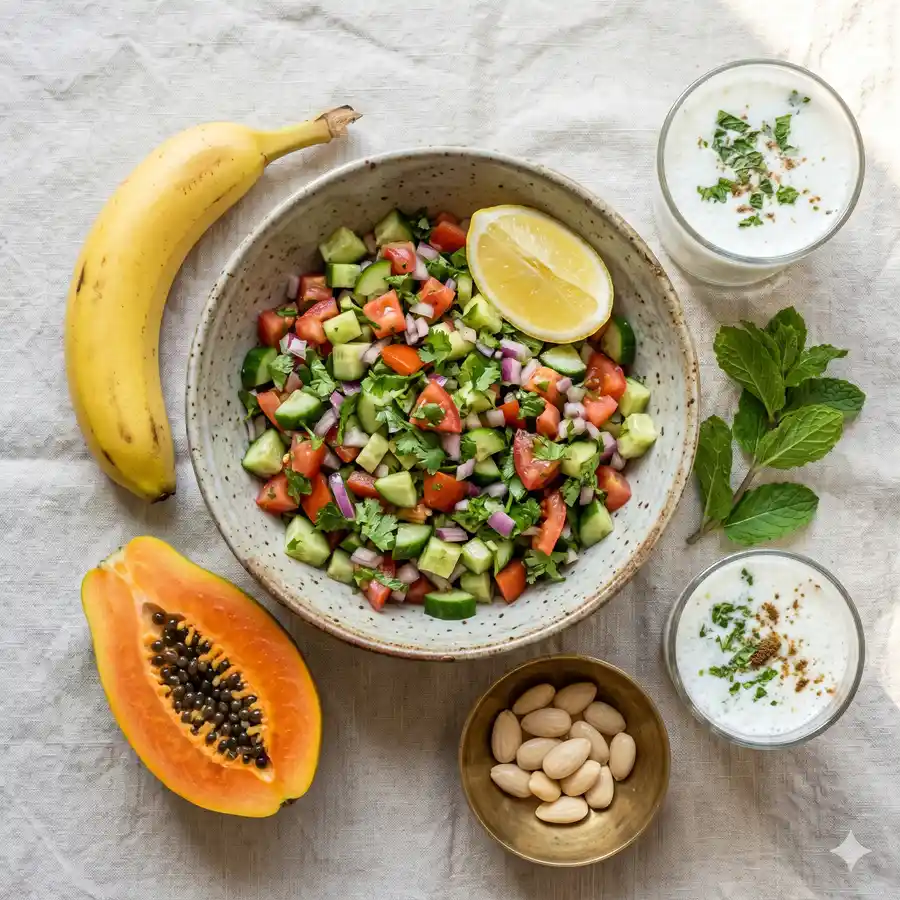
Adapted for the Indian kitchen, this means a few specific moves rather than a foreign overhaul. One large bowl of cucumber-tomato-onion salad daily before lunch. A fistful of unsalted soaked almonds or walnuts as a snack. Replacing white rice with brown rice, hand-pounded rice, or millets (ragi, jowar, bajra) for at least one meal a day. Two seasonal fruits daily — banana, papaya, guava, orange, mosambi all work and all carry potassium. Curd or buttermilk at one meal without extra salt. Cutting fried non-veg preparations to twice a week and shifting to grilled, baked, or curry-based preparations.
You don’t have to give up your dal-chawal. You have to crowd the plate with potassium-rich and magnesium-rich foods so the sodium-to-potassium ratio shifts. The body’s vascular tone responds to that ratio more than to absolute sodium alone. South Indian breakfast staples — idli, dosa, sambar, coconut chutney — score reasonably well on this if you keep the sambar’s salt moderate. North Indian thalis need more conscious re-engineering.
The diagnostic workup a good Indian physician should do
Once readings confirm hypertension, the workup isn’t complicated but the order matters.
First visit — confirm and screen. Three properly taken clinic readings on separate days, or seven days of home monitoring averages, or 24-hour ABPM. Plus: urine routine (proteinuria suggests kidney involvement), serum creatinine and estimated glomerular filtration rate (eGFR), fasting glucose and HbA1c, lipid profile, serum sodium-potassium, ECG. Cost in India: roughly ₹1500 to ₹3000 for the whole panel.
Second visit — secondary cause screen if young or resistant. Patients under 40, those with resistant hypertension despite three drugs, or those with abnormal labs need screening for secondary causes. Renal artery stenosis (renal Doppler), primary aldosteronism (aldosterone-renin ratio), pheochromocytoma (plasma metanephrines), thyroid disorders (TSH), Cushing’s syndrome (24-hour urinary cortisol), and OSA (STOP-Bang and sleep study). Around 5 to 10 percent of Indian hypertension is secondary and fixable, but most general practitioners skip this screen.
Third visit — staging. Echocardiogram for left ventricular hypertrophy. Fundoscopy for hypertensive retinopathy. Carotid Doppler if indicated. These tell you how long the BP has been damaging silently.
Treatment ladder — the order things should be tried
Step 1 — Salt and DASH (free, biggest single lever). As above. Give it eight weeks of disciplined effort before judging the result.
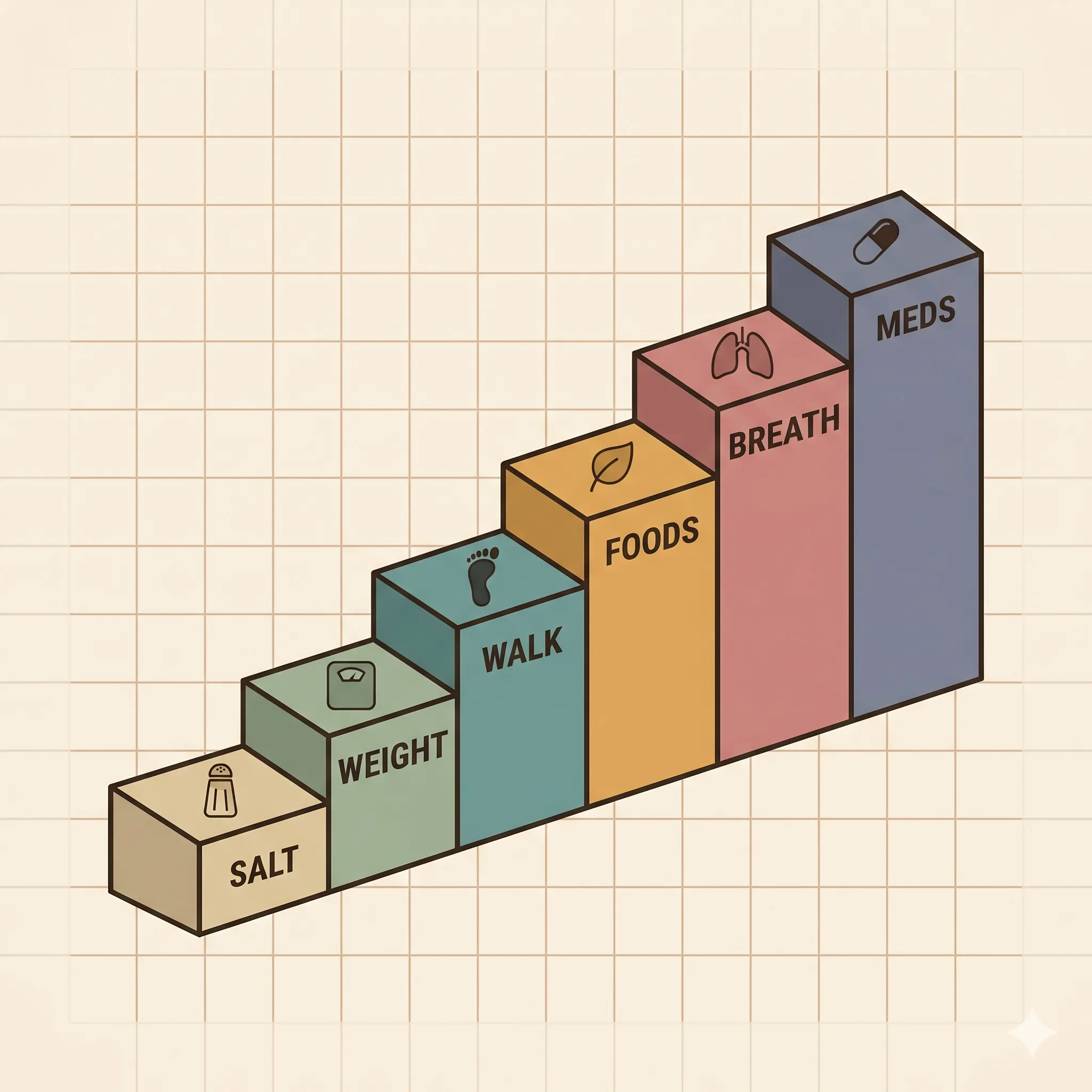
Step 2 — Weight loss for the overweight. Each kilogram lost drops systolic BP by roughly 1 mmHg in the published data. Someone 12 kilograms overweight at 150/95 can take 8 to 15 mmHg off by getting down to a healthy weight. The Indian thin-fat phenotype means even people who don’t look obese can have visceral fat driving BP. Waist circumference over 90 cm in men and 80 cm in women is the cutoff that matters in South Asians.
Step 3 — Aerobic exercise. A 2019 British Journal of Sports Medicine meta-analysis showed regular aerobic exercise (150 minutes a week of brisk walking, swimming, cycling) lowers systolic BP by 5 to 8 mmHg. Resistance training adds a smaller additional 2 to 4 mmHg. The combination beats either alone. Aim for a brisk 30-minute walk five days a week.
Step 4 — Targeted dietary additions with real evidence.
You know how every wellness Instagram pushes hibiscus tea? Turns out the data behind gudhal phool is actually decent. A meta-analysis of randomised trials showed daily consumption drops systolic BP by around 7.6 mmHg and diastolic by 3.5 mmHg. Boil 1 to 2 teaspoons of dried petals in water, steep 10 minutes, drink twice a day. Available in Indian markets cheaply.
Aged garlic extract. Multiple meta-analyses show 5 to 10 mmHg systolic drop with consistent use at 600 to 1200 mg per day for 8 to 12 weeks. Raw garlic also works at one to two cloves a day, crushed and rested for 10 minutes before consuming to activate allicin.
Magnesium glycinate or citrate at 200 to 400 mg per day. Many Indians are subclinically deficient. Magnesium relaxes vascular smooth muscle. The evidence for BP-lowering is modest but real, especially for diabetics and metabolic syndrome patients.
Beetroot juice. A 2024 systematic review and meta-analysis in Nutrition, Metabolism and Cardiovascular Diseases (PubMed 39069465) confirmed beetroot juice lowers clinic systolic BP by around 5.3 mmHg in hypertensives through the entero-salivary nitrate-nitrite-nitric oxide pathway. The effect is acute and lasts up to roughly 90 days of consistent use. Worth flagging: 24-hour BP reductions are smaller than clinic-measured ones. The effect is real but modest.
Step 5 — Stress and breathing. Paced breathing at six breaths per minute activates the parasympathetic nervous system. Sit upright. Inhale through the nose for four seconds. Hold for two. Exhale through the mouth for six seconds. Ten minutes twice daily produces measurable BP reductions over weeks. Pranayama in the form of anulom-vilom or sheetali has similar mechanics. Yoga combined with meditation shows 5 to 8 mmHg reductions in randomised Indian trials.
Step 6 — Medication when needed. If home-monitored BP averages above 140/90 despite eight weeks of serious lifestyle effort, or above 160/100 at any reading, an antihypertensive is appropriate medicine, not weakness. First-line choices in Indian practice are amlodipine (calcium channel blocker, ₹3 to ₹8 per day), telmisartan or losartan (angiotensin receptor blockers or ARBs, ₹4 to ₹15 per day), or hydrochlorothiazide for older patients. Combination low-dose therapy is now favoured over high-dose monotherapy under current European and Indian Society of Hypertension guidelines. Modern Indian generics are cheap, well-tolerated and dramatically reduce stroke and heart attack risk.
The lifestyle work isn’t a substitute for the tablet when the tablet is needed. It can be the bridge that lets you eventually come off, or the reason your dose stays low. Both are good outcomes.
The "two hours before" toolkit for the appointment
These don’t change underlying BP. They reduce the noise so the number you bring home is honest, not artificially inflated.
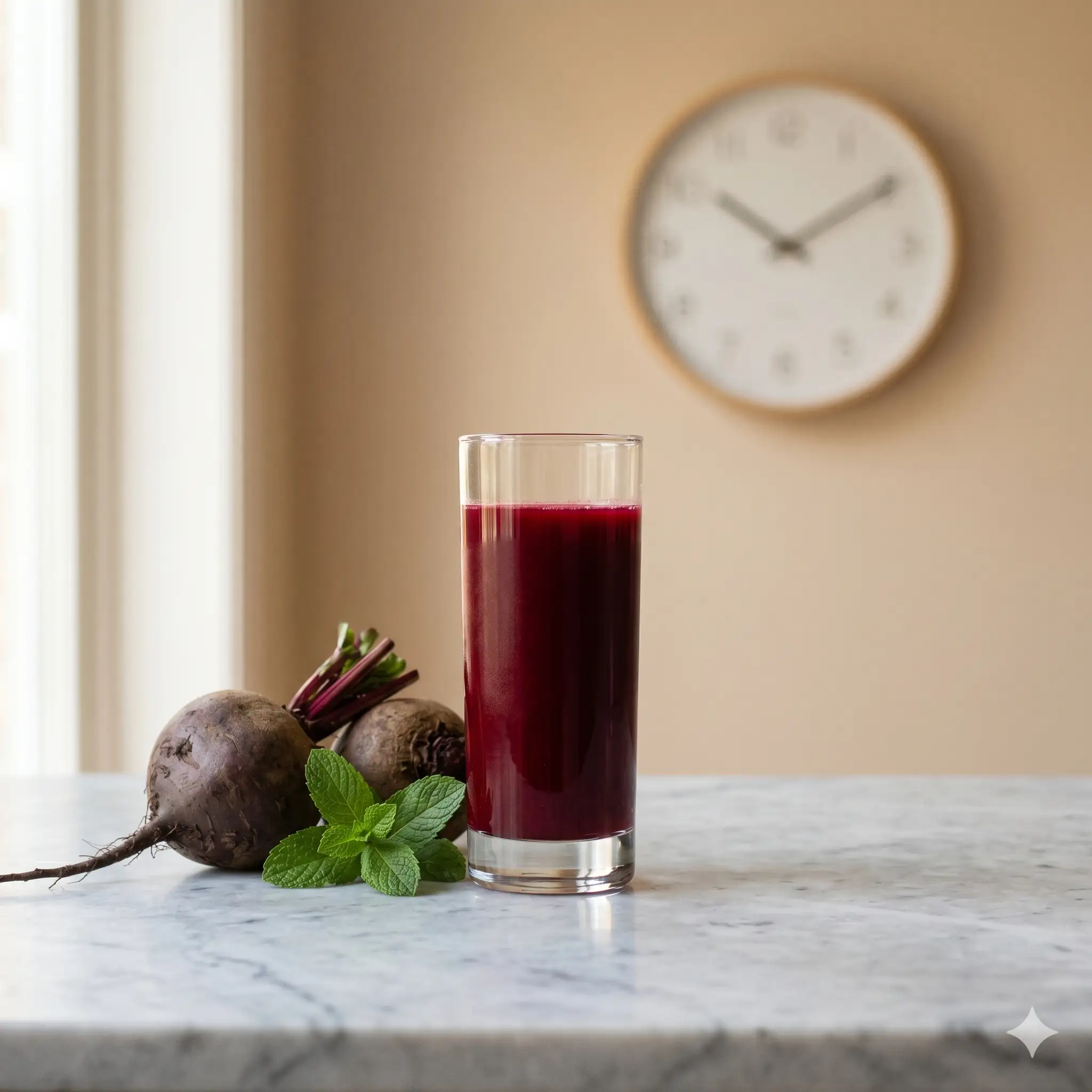
Drink 250 ml of beetroot juice two to three hours before. A single dose lowers systolic BP by around 4 to 5 mmHg through nitric oxide vasodilation. Genuine pharmacology, not a trick.
Avoid caffeine for at least 30 minutes before. A standard cup of coffee can add 5 to 10 mmHg for up to two hours. Strong masala chai counts.
No smoking for at least 30 minutes. Nicotine acutely raises BP and heart rate.
Empty your bladder before the cuff goes on. A full bladder can elevate systolic BP by 10 to 15 mmHg. This is the cheapest BP-lowering “intervention” in medicine.
Don’t rush in. Walking briskly to the clinic, climbing stairs, arguing with the auto driver outside — all of it spikes your number. Arrive 15 minutes early. Sit. Breathe slowly.
Posture during the reading. Feet flat on the floor, not crossed. Back supported. Arm at heart level, resting on a table. No talking during the measurement. These small things are responsible for at least half the BP inflation in busy Indian OPDs (outpatient departments).
When to treat it as an emergency — hypertensive crisis
A reading of 180/120 or higher is a hypertensive crisis. If it comes with chest pain, breathlessness, severe headache, vision changes, confusion, slurred speech, weakness on one side of the body, or seizure, this is a hypertensive emergency. Go to a hospital immediately, not the next morning. Untreated, these progress to stroke, heart attack, aortic dissection or acute kidney injury within hours.
A reading of 180/120 without target organ symptoms is a hypertensive urgency. Get to a doctor within 24 hours, not a week. Don’t try to “lower it naturally.”
Other red flags warranting same-day evaluation: BP that is high in one arm and normal in the other (suggests aortic problem), BP that drops dramatically on standing (autonomic dysfunction), new sudden severe hypertension under age 30 (think secondary causes).
What Indians actually say works
The patterns from Indian patient forums and Quora India are remarkably consistent. They almost never include exotic interventions.

“Cut papad and pickle completely. BP dropped from 148 to 132 in three weeks.”
“Started 30-minute morning walk plus stopped the second chai. Down 12 points in five weeks.”
“Six-breath-per-minute pranayama for 10 minutes a day. Doctor was surprised at the next reading.”
“Lost 4 kg by removing biscuits and namkeen. BP normalised, doctor reduced my amlodipine to half dose.”
“Beetroot-pomegranate juice every morning. Plus walk. Plus weight loss. The combination, not any single thing.”
The boring lifestyle changes are the ones that move the number. Glamorous interventions almost never work in isolation.
So where does this leave Suresh? Probably with eight weeks of papad-and-namkeen cuts, a 30-minute morning walk, a 10-minute paced-breathing session in the evening, an unsweetened hibiscus tea in place of one of his chais, and a home BP log to take to the next appointment. I might be wrong on the dose-response in his particular case (some people just need the tablet), but his home average will tell him which side of the line he’s on. That’s the conversation to bring back to his doctor.
Also Read
How to Reduce Triglycerides Without Medicine in One Month — same lifestyle-first philosophy for a different cardiovascular marker.
Blood Sugar Balance at Social Events — A Discreet Diabetic’s Guide — for the metabolic side of cardiovascular risk.
For magnesium glycinate, aged garlic extract, hibiscus formulations, beetroot concentrates and other clinical-grade cardiovascular-support supplements, see the IndiaPharmaFranchise product portfolio. Pharma entrepreneurs interested in distributing evidence-backed cardiovascular formulations through their own outlets can explore the PCD franchise opportunity.
Disclaimer: This article is for general information and does not replace medical advice. Do not stop or skip prescribed antihypertensive medication on the basis of a blog post. If you have known hypertension, work with your physician on any lifestyle plan.
Sources
- Bhansali A et al. Recent studies on hypertension prevalence and control in India 2023. Hypertension Research 2024. https://www.nature.com/articles/s41440-024-01585-y
- Hypertension treatment cascade among men and women of reproductive age group in India: analysis of National Family Health Survey-5 (2019–2021). The Lancet Regional Health Southeast Asia 2023. https://www.thelancet.com/journals/lansea/article/PIIS2772-3682(23)00131-2/fulltext
- Awareness, behavior, and determinants of dietary salt intake in adults: results from the National NCD Monitoring Survey, India. PMC 2023. https://www.ncbi.nlm.nih.gov/pmc/articles/PMC10517942/
- Estimated health benefits, costs, and cost-effectiveness of implementing WHO’s sodium benchmarks for packaged foods in India. The Lancet Regional Health Southeast Asia 2024. https://www.ncbi.nlm.nih.gov/pmc/articles/PMC11535755/
- Blood pressure impact of dietary practices using the DASH method: a systematic review and meta-analysis. Clinical Hypertension 2025. https://pmc.ncbi.nlm.nih.gov/articles/PMC11975635/
- Effects of beetroot juice on blood pressure in hypertension according to European Society of Hypertension Guidelines: A systematic review and meta-analysis. Nutrition, Metabolism and Cardiovascular Diseases 2024. https://pubmed.ncbi.nlm.nih.gov/39069465/
- The Nitrate-Independent Blood Pressure-Lowering Effect of Beetroot Juice: A Systematic Review and Meta-Analysis. Advances in Nutrition 2017. https://pubmed.ncbi.nlm.nih.gov/29141968/
- Paced Breathing May Attenuate White Coat Hypertension. HCPLive 2018. https://www.hcplive.com/view/paced-breathing-may-attenuate-white-coat-hypertension
- Serban C et al. Effect of sour tea (Hibiscus sabdariffa L.) on arterial hypertension: A systematic review and meta-analysis of RCTs. Journal of Hypertension 2015. https://www.researchgate.net/publication/275029758
- Hidden Sodium in Indian Foods — Second Medic. https://www.secondmedic.com/blogs/hidden-sodium-in-indian-foods-why-it-matters
You might also like

Cost of Monobenzone Treatment for Vitiligo — Full 12-Month Budget
Cost of Monobenzone Treatment for Vitiligo — Full 12-Month Budget Cost ranges in this article are illustrative as…
Read article →
Monobenzone Reviews — What Real Patients Say About Treatment
Monobenzone Reviews — What Real Patients Say About Treatment A note on this article. This is a synthesis…
Read article →
Depigmentation vs Repigmentation for Vitiligo — Which Approach Fits You?
Depigmentation vs Repigmentation for Vitiligo — Which Approach Fits You? The two strategies pull in opposite directions: bring…
Read article →